
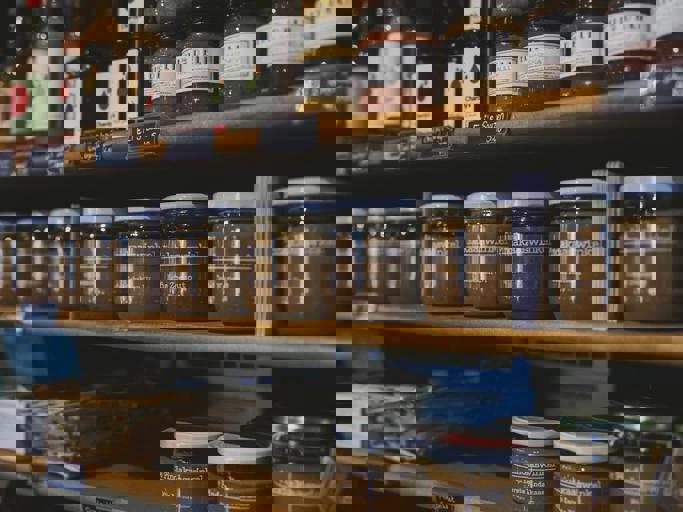
A sharp surge in organic honey prices is making headlines across markets and retail sectors, following an unexpectedly poor global harvest that has disrupted supply chains and alarmed both producers and consumers. This year, major honey-producing countries saw yields plummet due to adverse weather conditions and environmental stressors, resulting in significant supply shortages and fueling a wave of price hikes not seen in recent memory.
Experts point to a series of unseasonal rains, extended droughts, and a proliferation of pests as the primary culprits behind the disappointing honey yields. Carmine Desrosiers, an agricultural economist, explained, “It’s a perfect storm for honey producers. When you couple climate variability with increased instances of colony collapse disorder, the result is a sharp drop in output and mounting financial pressure on beekeepers.”
The organic honey sector has been particularly hard hit, as certified producers often rely on smaller apiaries and stricter production standards. These factors make it more difficult to ramp up production quickly or source honey from other regions. According to data from the International Honey Commission, global organic honey output shrank by over 30 percent compared to last year, deeply impacting market availability.
In supermarkets and specialty stores, the consequences are being felt by everyday consumers. Retail prices for organic honey have risen by as much as 40 percent in some areas, causing sticker shock among shoppers. “I used to buy organic honey regularly, but the price has nearly doubled in the past few months,” said local shopper Avery Kim. “It’s become a luxury item for many families.”
Importers and wholesalers are scrambling to fulfill contracts amid shrinking supplies, with many reporting difficulties in securing the volumes they need to satisfy regular clients. Some have started rationing available stocks or turning to alternative sweeteners to fill shelves. The Canadian Honey Council noted, “Retailers are definitely feeling the pinch, and some are reevaluating their product mixes as a result.”
A key driver behind the spike in prices is the intricate and lengthy process of organic honey certification. Unlike conventional producers, organic beekeepers must adhere to rigorous regulations regarding foraging areas, pesticide usage, and hive management practices. These requirements make sourcing organic honey more challenging during times of shortage, exacerbating the volatility in pricing.
With supply chains under strain, many small-scale beekeepers are facing tough choices. Some are considering exiting the industry altogether, while others are weighing whether to invest in stronger disease control measures and more resilient bee breeds. Industry veteran Lisa Bernard stated, “We’re seeing unprecedented levels of uncertainty—if these conditions persist, it could reshape the landscape of organic honey production.”
The rise in organic honey prices has also sparked concern among restaurants and bakeries that rely on the product for recipes and menu offerings. Some establishments are reducing portion sizes or switching to lesser-known local honeys and alternative sweeteners. “Restaurants are being forced to innovate, but it’s a challenge when customer preferences are involved,” said Raphael Singh, a Toronto-based pastry chef.
From a broader perspective, the price surge is prompting renewed debates about sustainable agriculture and food security in Canada and internationally. Food policy analyst Marie Tremblay argues that the honey crisis highlights the interconnectedness of climate policy, agricultural resilience, and consumer welfare. “This situation underscores the urgent need to invest in climate-adaptive agriculture and sustainable pollinator habitats,” she said.
Some industry stakeholders see the current shortage as a potential wake-up call for embracing more diversified sources of honey and improving beekeeping practices. “This could encourage both producers and consumers to look beyond mass-market imported products and support local, artisanal honey,” suggested François Gagnon, a Quebec beekeeper and member of a cooperative promoting sustainable apiculture.
Government agencies are beginning to take notice of the mounting challenges facing the honey sector. There are growing calls for increased funding for pollinator research, as well as support programs for affected beekeepers. The Ministry of Agriculture stated in a press release, “Honeybees play a crucial role in food production, and we are evaluating measures to help stabilize the sector in difficult times.”
Environmentalists warn that the issues impacting honey supply chains are symptoms of broader ecological trends affecting pollinators worldwide. Habitat loss, pesticide exposure, and rising temperatures have collectively driven declines in bee populations, jeopardizing not just honey production but also the pollination of many fruits and vegetables critical to global diets.
Looking ahead, analysts predict that organic honey prices will remain high well into the next season, unless there is a significant improvement in weather conditions and bee health. For now, both retailers and consumers must grapple with the economic and environmental realities shaping this staple product. As the honey industry adapts, the lessons learned from this challenging year may chart a new course for resilience and sustainability in the food sector.